Family-friendly rentals are in high demand across Wellington, and landlords who design with families in mind often secure longer tenancies, lower turnover, and more stable returns.
By focusing on practical renovations, safe outdoor spaces, durable interiors, and the right tenant strategy, landlords can increase property value while making their rental more appealing to family households.
Table of Contents
Introduction
Demand for a family rental in Wellington has remained consistently strong, even as the wider property market shifts. Families tend to prioritise stability, safety, and functionality over short-term trends, which makes them highly attractive tenants for landlords seeking long-term occupancy and reduced vacancy risk.

For property owners, this creates a clear opportunity. With the right upgrades and management approach, a rental property can be positioned as a desirable family home without excessive renovation costs. This guide explores how Wellington landlords can renovate strategically, create child-friendly spaces, and attract long-term family tenants while staying compliant and increasing overall property value.
The strong demand for family-friendly rentals in Wellington
Wellington’s family rental demand is shaped by several structural factors:
- Limited availability of affordable family homes
- Strong employment hubs in government, healthcare, and education
- Ongoing urban density, reducing the supply of standalone houses
- Families delaying home ownership and renting for longer
According to Wellington City Council, population growth in outer suburbs and satellite centres continues to place pressure on larger rental homes with outdoor space and multiple bedrooms. At the same time, Kainga Ora data shows sustained demand for family-sized housing, reinforcing the need for quality private rentals that meet family needs.
For landlords, this means well-presented family homes often attract multiple applications and longer tenancy lengths than smaller, transient-focused rentals.
Practical renovations: Low-cost improvements that add real value
When landlords think about renovating a rental property, they often assume large budgets are required. In reality, many of the most effective improvements are relatively affordable and deliver strong returns.
Focus on durability and function
Families use homes differently. High foot traffic, storage needs, and daily routines place more strain on fittings and finishes. Renovations should prioritise durability over aesthetics.
High-impact, low-cost renovation ideas include:
- Replacing worn carpet with hard-wearing laminate or vinyl plank flooring
- Upgrading taps, handles, and door hardware to robust, easy-clean finishes
- Improving lighting in living areas and hallways
- Installing extractor fans or improving ventilation in kitchens and bathrooms
These upgrades help future-proof the property while supporting compliance and tenant satisfaction.
Compliance as value creation
Renovations aligned with compliance requirements often deliver double benefits. Improvements that support insulation, heating, moisture control, and safety reduce maintenance issues and appeal strongly to families concerned about health.
Guidance from Tenancy Services New Zealand highlights that warm, dry, and well-ventilated homes are a priority for tenants with children. Properties that clearly meet these expectations are easier to market and retain tenants longer.
Outdoor spaces: Safe and functional areas for children
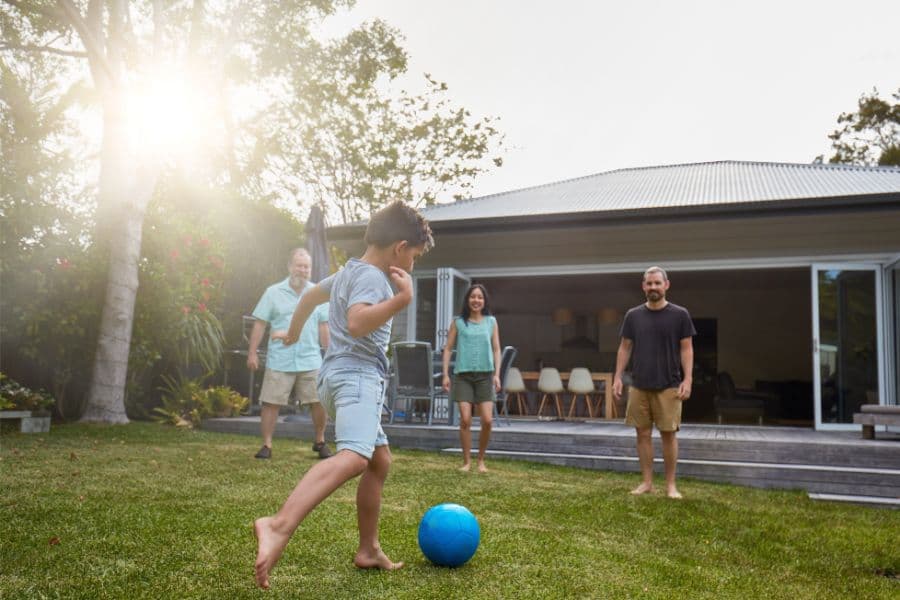
One of the biggest differentiators for a family rental in Wellington is usable outdoor space. While not every property has a large backyard, thoughtful design can make even small areas appealing.
What families look for in outdoor areas
Families value outdoor spaces that are:
- Safe and enclosed
- Visible from living areas
- Easy to maintain
- Functional rather than decorative
Low-cost improvements that increase appeal include:
- Repairing or adding fencing to create secure boundaries
- Installing child-safe gate latches
- Levelling uneven ground to reduce trip hazards
- Creating simple lawn or hard-surface play zones
- Adding basic outdoor lighting for winter afternoons
Even modest improvements can significantly increase a property’s attractiveness to family tenants.
Council considerations
Landlords should ensure any outdoor changes comply with local requirements. Wellington City Council provides guidance on fencing, drainage, and minor outdoor structures. Non-compliant work can create future issues during inspections or tenancy disputes.
Interior touches: Designing for family living
The interior of a family rental must balance comfort, durability, and flexibility. Families tend to bring their own furniture and personalise spaces, so neutral and practical design choices work best.
Storage solutions that matter
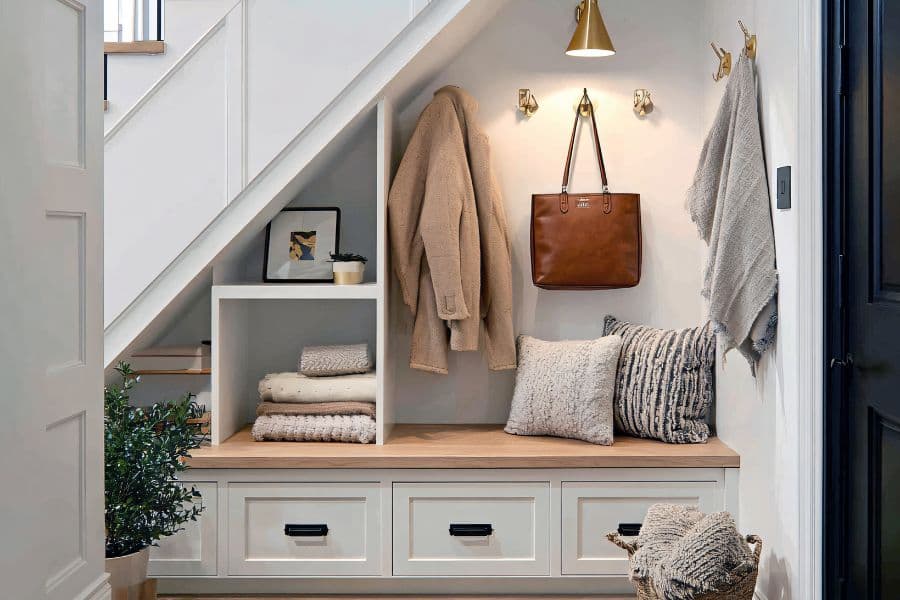
Lack of storage is a common frustration for family tenants. Built-in storage can be expensive, but there are cost-effective alternatives:
- Adding shelving to wardrobes
- Installing linen cupboards where space allows
- Using under-stair storage efficiently
- Providing secure outdoor storage for bikes and sports equipment
Properties with good storage often outperform similar homes without it when it comes to tenant retention.
Flooring that lasts
Flooring choice has a direct impact on maintenance costs. For family rentals, consider:
- Vinyl plank or laminate flooring in living areas
- Hard-wearing carpet with stain resistance in bedrooms
- Easy-clean surfaces in entryways
These materials are more forgiving of spills, wear, and high use, reducing long-term replacement costs.
Neutral colour schemes
While bold colours can look appealing in owner-occupied homes, neutral tones are more effective in family rentals. Soft whites, warm greys, and light neutrals help spaces feel larger, brighter, and easier for tenants to personalise.
Neutral interiors also simplify repainting between tenancies and reduce the risk of wear being too visible.
Safety and wellbeing: A key priority for families
Families place a high value on safety. Landlords who proactively address safety concerns often experience fewer disputes and stronger tenant relationships.
Key areas to review include:
- Secure window latches and door locks
- Safe stair handrails
- Non-slip surfaces in bathrooms
- Adequate outdoor lighting
- Smoke alarms and compliance checks
Many of these improvements are inexpensive but signal that the property is well cared for. That perception alone can influence tenant behaviour and longevity.
Finding the right tenants: Attracting and retaining family renters
Renovations alone do not guarantee long-term success. How a property is marketed and managed plays a major role in attracting the right family tenants.
Marketing to families
Effective listings for family rentals highlight:
- Number and size of bedrooms
- Proximity to schools, parks, and public transport
- Storage and outdoor space
- Heating and insulation features
- Quiet neighbourhood qualities
Families tend to plan ahead and look for stability, so clear, honest listings build trust from the start.
Screening with longevity in mind
Family tenants often stay longer than average renters, but careful screening is still essential. A professional Wellington property management team will assess:
- Rental history and references
- Income stability
- Household size relative to the property
- Long-term rental intentions
This approach reduces turnover and protects the property.
Retention through proactive management
Once a family tenant is in place, retention becomes the priority. Landlords who respond promptly to maintenance issues and invest in preventative upkeep tend to keep family tenants for multiple years.
Longer tenancies reduce vacancy costs, advertising expenses, and wear from frequent move-ins and move-outs.
What many landlords overlook
Many landlords focus on maximising rent rather than optimising tenant fit. For family rentals, slightly lower rent paired with a long-term tenancy often delivers better net returns.
Additional factors often overlooked include:
- Designing layouts that suit prams, bikes, and school bags
- Providing clear rubbish and recycling solutions
- Considering noise insulation between bedrooms and living areas
- Planning upgrades that reduce maintenance calls over time
These details are rarely mentioned in generic landlord guides, but they strongly influence family tenant satisfaction.
Final thoughts: Building long-term value through family appeal
Maximising your rental’s appeal to families is not about luxury finishes or expensive renovations. It is about thoughtful, practical decisions that align with how families actually live.
For landlords looking to renovate a rental property, increase property value, and secure long-term tenants, family-friendly design is one of the most reliable strategies available in the Wellington market.
At Taylor Property Plus, we help landlords implement smart upgrades and management strategies that support stable returns and positive tenant relationships.
Frequently Asked Questions
Are family rentals more profitable than other rental types?
They can be. Family rentals often deliver longer tenancies and lower vacancy costs, which improves overall returns even if weekly rent is slightly lower.
What renovations add the most value for family tenants?
Durable flooring, improved storage, heating upgrades, and safe outdoor spaces typically deliver the best return on investment.
Do landlords need council approval for outdoor upgrades?
Some changes may require consent. Always check guidance from Wellington City Council before undertaking fencing or structural work.
How important is outdoor space for family renters?
Very important. Even small, well-designed outdoor areas can significantly increase demand from families.
Should I use a property manager for a family rental?
Yes. Professional property management helps with compliance, tenant selection, and long-term retention, which is especially valuable for family-focused rentals.