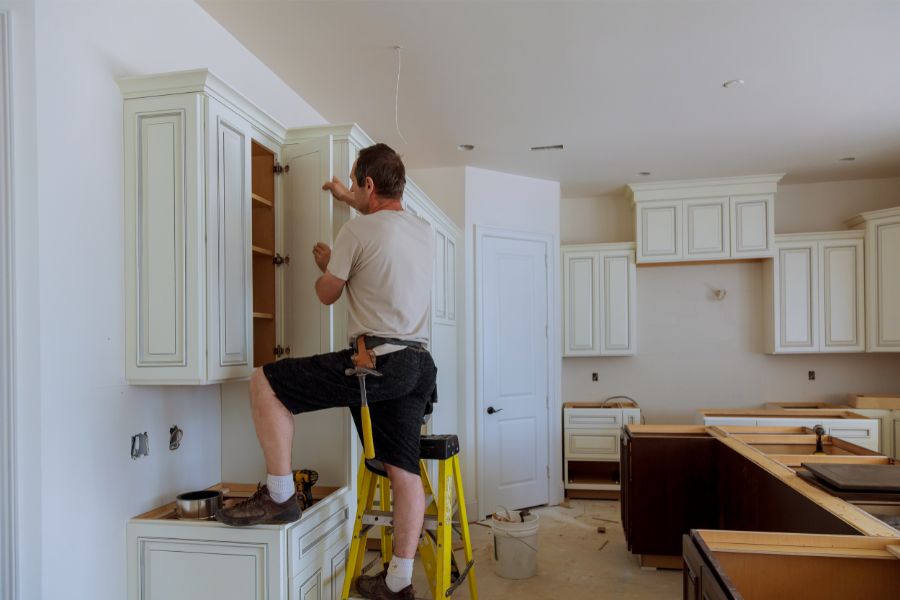
Renovating a rental property can significantly increase rental yield and tenant demand, but only if it is executed efficiently. The most successful landlords focus on strategic, high ROI renovations that NZ investors prioritise, such as kitchens, flooring, insulation, and heating upgrades. By planning timelines carefully, working with licensed professionals, and ensuring compliance with local council and tenancy regulations, Wellington landlords can minimise vacancy periods and maximise long-term rental returns.
Table of Contents
Introduction: Renovating Strategically to Maximise Rental Returns
Renovating a rental property is one of the most effective ways to increase both tenant appeal and rental income. However, renovation for rental property success is not about cosmetic upgrades alone. It requires careful planning, compliance with regulations, and a clear understanding of what tenants actually value.
For Wellington landlords, downtime between tenancies can quickly erode returns. A property that sits empty for several weeks during poorly managed renovations can lose thousands of dollars in potential rental income.
The key is to approach upgrades as a strategic project rather than a reactive repair exercise. By focusing on high-impact improvements, efficient project management, and compliance with local regulations, landlords can upgrade their properties while keeping vacancy periods to a minimum.
Guidance from authorities such as Wellington City Council helps ensure that renovation work meets local building and planning requirements before tenants move in.
Project Management Essentials for Landlords
Planning Renovation Timelines
One of the most common mistakes landlords make is underestimating renovation timelines. Delays often occur because materials are not ordered early enough, contractors are unavailable, or multiple trades are poorly coordinated.
A well-managed project timeline should include:
- Scope definition before tenants move out
- Material ordering before demolition begins
- Scheduled trade sequencing, such as electricians before plasterers
- Final compliance checks before marketing the property
Experienced investors often schedule renovations during the short window between tenants to avoid extended vacancies.
Budgeting for Realistic Costs
Budget overruns are another frequent challenge. Landlords should allocate funds not only for visible upgrades but also for hidden issues such as wiring, plumbing, or insulation improvements.
Industry research suggests most renovation budgets benefit from a contingency allowance of around 10 to 15 per cent. This helps absorb unexpected structural or compliance costs without disrupting project timelines.

Choosing Qualified Contractors
In New Zealand, many renovation tasks must be carried out by qualified professionals. Property owners should ensure contractors are registered with Licensed Building Practitioners NZ where applicable.
Using licensed professionals provides several advantages:
- Work meets national building standards
- Documentation is available for future inspections
- Insurance coverage is typically stronger
- Compliance certificates can be obtained more easily
For landlords planning multiple upgrades, strong contractor relationships can significantly improve project efficiency.
Key Upgrades With High ROI
Not all renovations deliver equal value. When planning upgrades, landlords should prioritise improvements that enhance tenant comfort, reduce maintenance costs, and increase rental demand.
Kitchen Improvements
The kitchen is one of the most influential areas for prospective tenants. Modernising this space does not always require a full rebuild.
High ROI upgrades include:
- Replacing cabinet fronts and handles
- Installing durable laminate or stone benchtops
- Upgrading appliances to energy-efficient models
- Improving lighting and splashbacks
These changes can dramatically improve the perceived quality of the property without excessive costs.

Durable Flooring
Flooring plays a major role in both appearance and long-term maintenance.
Many landlords now choose:
- Hybrid flooring
- Vinyl planks
- Engineered timber alternatives
These materials provide durability and water resistance, making them ideal for rental environments where frequent tenant turnover may occur.
Heating and Insulation
Tenant comfort has become a legal as well as practical requirement. Under New Zealand regulations, rental properties must meet Healthy Homes heating and insulation standards.
Upgrades such as heat pumps, ceiling insulation improvements, and draught stopping can significantly increase tenant satisfaction while reducing future compliance risks.
Legal Compliance: Meeting Council and Tenancy Standards
Building and Renovation Requirements
Before beginning major renovations, landlords should confirm whether building consent is required. Structural changes, plumbing modifications, or significant electrical work often require approval.
Local guidelines from Wellington City Council outline when consent is necessary and what documentation must be submitted.
Ignoring consent requirements can lead to:
- Fines or penalties
- Delays in renting the property
- Issues during property sale or refinancing

Healthy Homes Compliance
All rental properties must meet Healthy Homes standards relating to heating, insulation, ventilation, moisture control, and draught stopping.
Landlords must provide tenants with a compliance statement as part of the tenancy agreement. Official guidance on these requirements can be found through Tenancy Services New Zealand.
Upgrading insulation, installing heat pumps, and improving ventilation systems during renovations is often the most efficient way to achieve compliance.
Working With a Property Manager
Why Property Managers Improve Renovation Outcomes
Many landlords underestimate how valuable a property manager can be during renovations. Experienced managers often maintain networks of trusted contractors, suppliers, and inspectors.
This network allows landlords to:
- Access reliable tradespeople quickly
- Receive competitive quotes
- Avoid contractors with poor track records
- Schedule work efficiently between tenancies
Property managers also understand tenant expectations in the local market, helping ensure upgrades align with demand.
Reducing Vacancy During Upgrades
An experienced property management team can coordinate renovation timelines with marketing efforts. For example, a property can be photographed and advertised while final touch-ups are underway.
This overlap between renovation completion and tenant placement can reduce vacancy periods significantly.
For investors focused on long-term returns, efficient renovation planning combined with strong property management can transform upgrades into a strategic growth tool.
Competitive Insight: Renovations Tenants Actually Value
Many landlords invest heavily in upgrades that look impressive but do little to improve rental performance. Tenants tend to prioritise practical features such as:
- Reliable heating systems
- Functional kitchens and storage
- Modern bathrooms
- Durable flooring
Investing in these areas typically produces better rental outcomes than purely cosmetic changes.
Another overlooked factor is maintenance simplicity. Choosing durable materials and easy-to-clean surfaces reduces long-term repair costs and keeps properties attractive across multiple tenancy cycles.
Conclusion: Renovate With Strategy, Not Emotion
Renovating a rental property should always be treated as an investment decision rather than a personal design project. Landlords who focus on efficiency, compliance, and tenant appeal consistently achieve better results.
By combining careful planning, licensed professionals, and strategic property management support, Wellington landlords can upgrade their properties with minimal downtime while improving long-term rental returns.
If you are a Wellington rental property owner and you are struggling to manage your portfolio or you need help putting together a renovation plan, get in touch with the team at Property Plus and see how we can help.
Frequently Asked Questions
What renovations add the most value to a rental property in NZ?
High ROI renovations NZ landlords prioritise typically include kitchen upgrades, modern flooring, heating systems, insulation improvements, and bathroom updates.
Do I need building consent for rental property renovations?
Some renovations require building consent, depending on the scale of work. Structural changes, plumbing alterations, and electrical upgrades may require approval from Wellington City Council.
How can I minimise vacancy during renovations?
Planning renovation timelines carefully and coordinating work between tenancies helps reduce vacancy. Many landlords also work with property managers who can schedule upgrades efficiently.
Are Healthy Homes upgrades mandatory?
Yes. Rental properties must meet Healthy Homes standards relating to heating, insulation, ventilation, moisture ingress, and draught stopping.
Should landlords manage renovation projects themselves?
Some landlords manage projects directly, but many prefer working with property managers who have established contractor networks and experience coordinating upgrades.