Strong tenant communication is one of the most overlooked drivers of a successful tenancy. Clear, respectful, and well-documented communication helps prevent disputes, speeds up maintenance, and creates a positive experience for both tenants and landlords. In Wellington’s regulated rental market, understanding how to communicate effectively can protect your rights, improve outcomes, and support long-term tenancy stability.
Table of Contents
Introduction: Fostering Mutual Respect From Day One
A good tenancy is built on more than just a signed agreement. It relies on consistent, respectful communication between tenants, landlords, and property managers. In many cases, issues that escalate into formal disputes begin as small misunderstandings that were never clearly communicated.
In New Zealand, tenancy relationships are governed by formal legal frameworks, but the day-to-day experience is shaped by human interaction. Resources from Tenancy Services New Zealand emphasise the importance of clear communication in preventing residential tenancy issues NZ-wide.
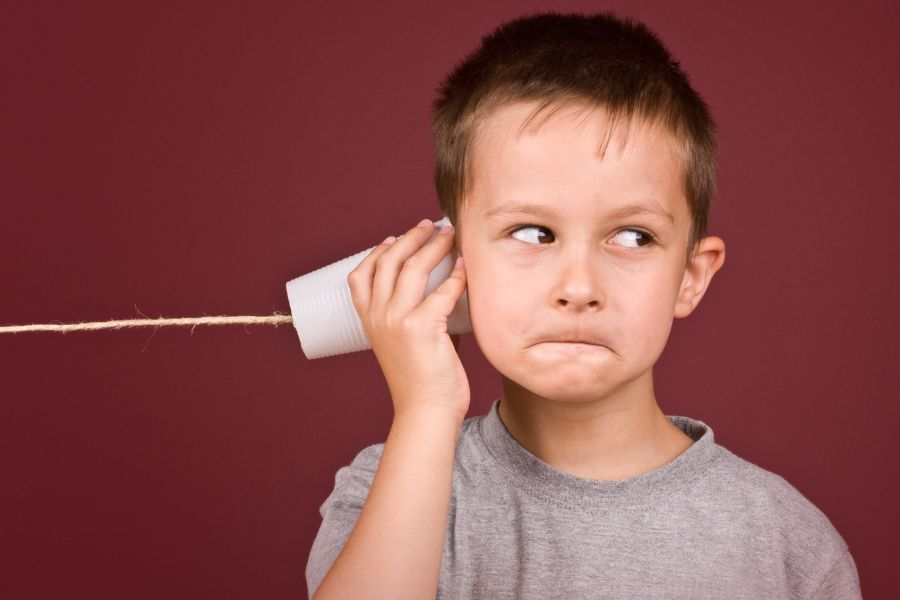
At its core, a good tenant relationship is about mutual respect. Tenants who communicate proactively are more likely to experience faster responses, smoother inspections, and greater flexibility when circumstances change.
At Taylor Property Plus, we are well known for our excellent communication, primarily with tenants, but also with landlords, ensuring strong two-way dialogue is facilitated and helping to smooth any potential bumps in the road, using our experience and expertise in handling a huge variety of situations that can develop in a rental property.
For landlords, choosing to work with a property management company can remove a lot of stress associated with self-managing properties, particularly if you have a large portfolio of properties where keeping up with changing tenants can be tricky at the best of time.
Open Communication: Setting Expectations Early
Why the First Few Weeks Matter
The early stage of a tenancy sets the tone for everything that follows. Establishing clear communication channels from day one helps avoid confusion later.
Tenants should:
- Confirm the preferred method of communication, such as email or property management portals
- Understand response time expectations
- Clarify emergency versus non-urgent maintenance procedures
These small steps create clarity and reduce friction.
Putting Everything in Writing
One of the most effective tenant communication tips is to document everything. Written communication provides:
- A clear record of requests and responses
- Evidence if disputes arise
- Reduced risk of misinterpretation
This aligns with best practices in Landlord-Tenant Relations, where documentation is considered a key component of professional rental management.
At Property Plus, we handle all this on behalf of landlords, communicating clearly with tenants and ensuring everything is well documented so landlords can stay in the loop whilst leaving the day to day comms to our team.

Reporting Maintenance Issues Effectively
Why Timing and Clarity Matter
Maintenance issues are one of the most common sources of tension in rental properties. Delays in reporting or vague descriptions can lead to:
- Worsening damage
- Higher repair costs
- Disputes over responsibility
Tenants should report issues as soon as they arise. At Property Plus, our maintenance concierge portal allows tenants to quickly and efficiently report any maintenance issues. All jobs are logged, and tenants can track relevant updates relating to the job they have logged through the portal.
How to Communicate Maintenance Problems
Effective communication includes:
- A clear description of the issue
- Photos or videos, where possible
- When the problem started
- Whether the issue is urgent
For example, instead of saying “the heater is not working,” a more helpful message would be:
“The heat pump in the living room stopped working yesterday evening. It turns on but does not produce heat. I have attached a photo of the display panel.”
This level of detail allows property managers to act quickly and accurately.
Understanding Urgency
Urgent issues such as water leaks, electrical faults, or loss of heating in winter should be reported immediately. Non-urgent issues can follow standard communication channels.
If tenants are unsure how to proceed, support is available through organisations like Wellington Community Law Centre, which provides guidance on tenant rights and responsibilities.
Inspections: Turning a Requirement Into an Opportunity
What Inspections Are Really For
Routine inspections are often viewed negatively, but they are an important communication tool. They allow both parties to:
- Identify maintenance issues early
- Confirm the property is being well cared for
- Address concerns before they escalate
In Wellington, inspections must follow legal notice requirements and be conducted reasonably.
How Tenants Can Prepare
To get the most from inspections:
- Ensure the property is clean and accessible
- Note any issues you want to raise
- Be present if possible to discuss concerns directly
This approach transforms inspections from a compliance exercise into a constructive conversation.
Using Inspections to Build Trust
Tenants who consistently present the property well and communicate openly during inspections often build stronger relationships with property managers. This can lead to more flexibility and goodwill over time.
At Property Plus, we find that the inspections we carry out are often our best opportunity to get to know the tenants in the properties we are managing, helping to build stronger relationships. Face-to-face communication is great when it is done in a structured way. Tenants get the required notice that we will be conducting an inspection and the opportunity to prepare anything they want to chat to us about in a relaxed and friendly way. Instead of letting any maintenance or other issues get out of hand, the inspections provide an opportunity for both parties to come together to foster stronger relationships.
Communicating With Your Landlord or Property Manager
Professional and Respectful Tone
Tone matters. Even when issues arise, maintaining a calm and professional tone helps ensure better outcomes.
Key principles include:
- Avoid emotional or confrontational language
- Focus on facts and solutions
- Be clear about what outcome you are seeking
This is particularly important when dealing with residential tenancy issues NZ tenants may encounter, such as maintenance delays or rent discussions.
At Property Plus, we understand that issues around your rental property can be frustrating, and we always look to keep a level outlook, seeing things from both sides of the table and working towards a resolution that leaves both the tenants and the landlord happy. This is a key part of our role in diffusing any potential conflict, as long-term tenancies always benefit both parties.
Knowing When to Escalate
Most issues can be resolved through direct communication. However, if problems persist, tenants can:
- Refer to official guidance from Tenancy Services
- Seek advice from Citizens Advice or Community Law
- Escalate matters through formal dispute channels if necessary
The goal should always be resolution, not escalation.
Benefits of a Good Tenant Relationship
Easier Lease Renewals
Tenants who maintain a positive relationship are often prioritised for lease renewals. Landlords value reliability and good communication, especially in competitive rental markets like Wellington.
Faster Maintenance Response
Property managers are more likely to prioritise tenants who communicate clearly and respectfully. This can lead to quicker resolution of issues and a better living experience. At Property Plus, we do treat every maintenance request equally, no matter the relationship with the tenant; however, when communication is clear about any potential issues, it definitely helps us to prioritise repairs and get them done in a more timely manner.

Greater Flexibility
In some cases, landlords may show flexibility around:
- Minor requests, such as decorating or fixtures
- Lease terms
- Moving dates
While not guaranteed, a strong relationship increases the likelihood of favourable outcomes.
Smoother Move-Out Process
Good communication does not just benefit tenants during the tenancy. It also plays a key role at the end. Clear communication around cleaning, inspections, and expectations can help ensure a smooth transition and reduce disputes over bond refunds.
What Most Tenants Get Wrong
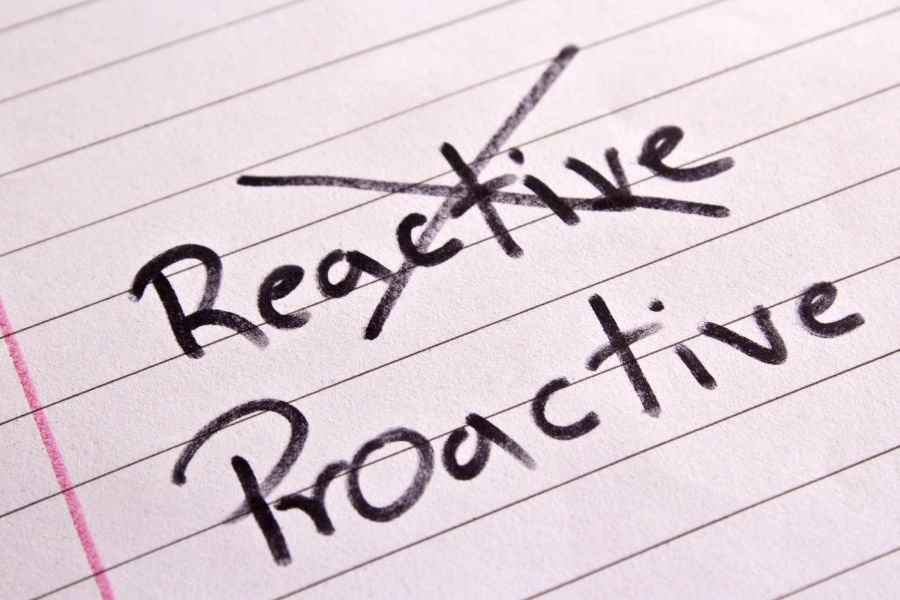
Many tenants believe that communication is only necessary when something goes wrong. In reality, proactive communication is far more effective.
Common mistakes include:
- Waiting too long to report maintenance issues
- Relying on verbal conversations without written follow-up
- Avoiding communication during inspections
- Becoming reactive rather than proactive
Tenants who treat communication as an ongoing process rather than a last resort tend to experience fewer issues and better outcomes.
Our team have the best relationships with landlords and tenants who are open to conversations and who understand that we are always working towards the best possible outcome for both parties. Our job is made much easier when we have both happy tenants and happy landlords and clear communication is the best way to achieve this.
Practical Tenant Communication Checklist
To build a strong and lasting rental relationship:
- Communicate clearly and early
- Keep written records of all interactions
- Report maintenance issues promptly
- Prepare for inspections and use them constructively
- Stay professional in all communications
These steps form the foundation of a positive tenancy experience.
Frequently Asked Questions
What is the best way to communicate with a landlord in NZ?
The best approach is clear, written communication, such as email or a property management portal. This ensures there is a record of all interactions.
How quickly should I report maintenance issues?
Issues should be reported as soon as they arise. Prompt reporting helps prevent damage and ensures faster resolution.
Can poor communication affect my tenancy?
Yes. Poor communication can lead to misunderstandings, delayed maintenance, and strained relationships, which may impact lease renewals or dispute outcomes.
What should I do if my landlord does not respond?
Follow up in writing. If there is still no response, seek advice from Tenancy Services or Community Law and consider formal dispute processes if necessary.
How can I improve my relationship with my property manager?
Be proactive, respectful, and organised in your communication. Respond promptly, provide clear information, and maintain a professional tone.
Final Thoughts
Good tenant communication is not complicated, but it requires consistency. In Wellington’s structured rental environment, the tenants who communicate clearly, document interactions, and engage constructively are the ones who experience the most positive outcomes.
Whether you are dealing with maintenance, inspections, or lease renewals, communication remains one of the most powerful tools you have.
If you are a tenant looking for a property vacancy in Wellington and the surrounding area, make sure you check out all our rental listings or filter by your preferred suburb. For landlords looking to take the stress out of property management, get in touch today and find out how Property Plus can add value to your rental property through efficient management.