
A tenancy bond in New Zealand is a security deposit held by a landlord or property manager, refundable at the end of a tenancy if the property is returned clean, undamaged, and documented.
Getting your bond back in New Zealand comes down to preparation, documentation, and communication. By following a clear moving out checklist, cleaning to a professional standard, understanding the difference between damage and fair wear and tear, and working proactively with your property manager, tenants significantly improve their chances of a full tenancy bond refund. This guide walks you through every step of a stress-free move-out.
Table of Contents
Introduction: A step-by-step guide to a stress-free move-out
For many tenants, moving out of a rental property is just as stressful as moving in. Packing boxes is one thing; worrying about your bond is another. In Wellington’s competitive rental market, bond disputes are one of the most common issues raised with the Tenancy Tribunal.
According to Tenancy Services New Zealand, most bond deductions occur due to cleaning issues, damage, or missing documentation. The good news is that these problems are largely preventable.
This guide has been created to help tenants understand exactly what is expected at the end of a tenancy, with a practical moving out checklist designed to help you get your bond back in NZ. Whether you are renting an apartment in the CBD or a family home in the suburbs, these principles apply across Wellington and the wider region.
Your complete moving out checklist
Before diving into the details, here is a high-level checklist every tenant should follow:
- Give proper notice in writing
- Schedule a final inspection with your property manager
- Clean the property thoroughly
- Repair tenant-caused damage
- Remove all personal belongings
- Return all keys and access devices
- Complete bond refund forms promptly
Each of these steps is expanded below with expert insight and practical tips.
Cleaning guide: Meeting professional agency standards
One of the biggest misconceptions tenants have is that a rental only needs to be “reasonably clean”. While this is technically correct under the Residential Tenancies Act, what is considered reasonable often becomes a point of dispute.
What “clean” actually means
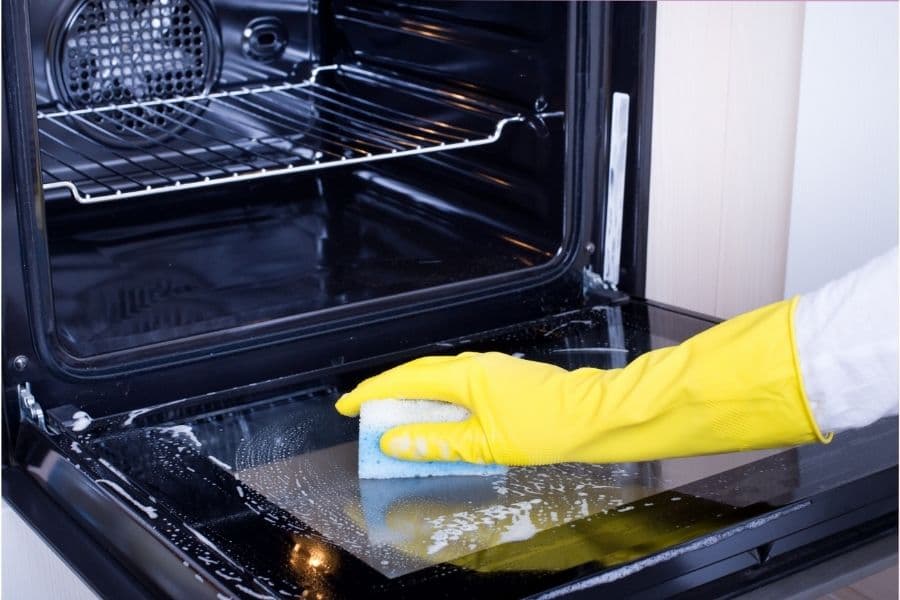
A property should be returned in a similar condition to when you moved in, allowing for fair wear and tear. This usually means:
- Floors vacuumed and mopped
- Carpets professionally cleaned if required by the tenancy agreement or if heavily soiled
- Kitchen surfaces, oven, and rangehood thoroughly cleaned
- Bathroom tiles, grout, shower screens, and toilets sanitised
- Windows cleaned on the inside
- Skirting boards, light switches, and door handles wiped down
Property managers conduct hundreds of final inspection rental checks each year and know exactly where issues are most likely to occur.
Pro tip most tenants miss
Check light fittings and extractor fans. Dust build-up in these areas is one of the most common reasons partial bond deductions are made, yet many tenants overlook them entirely.
For tenants unsure of their rights and responsibilities, Tenancy Services New Zealand provides detailed guidance on end-of-tenancy cleaning expectations: https://www.tenancy.govt.nz/
Damage vs wear and tear: Know what you are responsible for
Understanding the difference between damage and wear and tear is critical when aiming for a full tenancy bond refund NZ.
Fair wear and tear
Wear and tear refers to deterioration that happens through normal, everyday use. Examples include:
- Faded curtains from sunlight
- Minor scuff marks on walls
- Worn carpet in high-traffic areas
Tenants are not financially responsible for fair wear and tear.
Damage
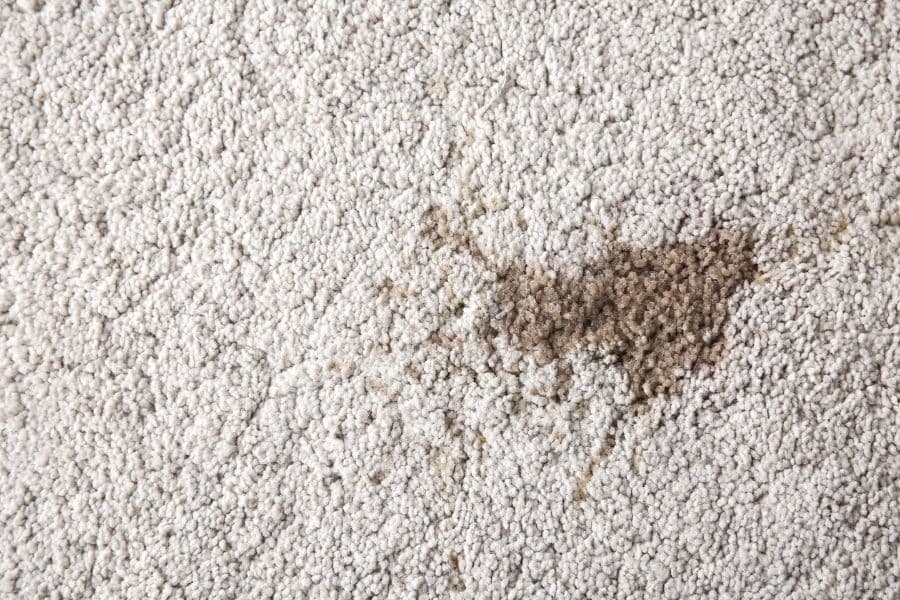
Damage occurs when something is broken, stained, or altered due to negligence or misuse. Examples include:
- Large wall holes from mounting TVs
- Burn marks on carpet
- Broken fixtures caused by force
According to Tenancy Services data, damage disputes make up a significant proportion of cases brought before the Tenancy Tribunal: https://www.tenancy.govt.nz/disputes/tribunal/
Property Plus insight
What many property blogs do not tell you is that offering to fix minor damage before the final inspection often leads to better outcomes than waiting for a deduction. Proactive tenants are far more likely to negotiate favourable results.
Documentation is key: Protect yourself with evidence
One of the strongest tools a tenant has is documentation. This starts at the very beginning of the tenancy.
Initial property inspection reports
Your initial inspection report sets the benchmark for how the property should look when you move out. Tenants who skip or rush this step are far more likely to face disputes later.
Best practice includes:
- Completing the inspection report thoroughly
- Taking date-stamped photos or videos
- Saving copies in cloud storage for easy access
Why photos matter
In Tenancy Tribunal hearings, photographic evidence often carries more weight than written statements. Clear before-and-after photos can quickly resolve disagreements about cleanliness or damage.
For tenants needing legal guidance, the Wellington Community Law Centre offers free resources and support: https://communitylaw.org.nz/our-law-centres/wellington/
Tenant responsibilities in Wellington: What the law actually says
Understanding tenant responsibilities in Wellington helps renters avoid misunderstandings.
Under New Zealand law, tenants must:
- Leave the property reasonably clean and tidy
- Remove all personal belongings
- Repair any damage they caused
- Pay rent up until the tenancy end date
- Return all keys, garage remotes, and access cards
Failing to return keys is a surprisingly common issue and can delay bond refunds due to security concerns and re-keying costs.
Communicating with your property manager: A smoother path to your bond
One of the biggest differentiators between a smooth move-out and a stressful one is communication.
Why proactive communication matters
Property managers are not looking to withhold bond money. Their role is to ensure the property is ready for the next tenant and compliant with legal standards.
Tenants who:
- Notify their property manager early
- Ask questions about expectations
- Request a pre-inspection walkthrough
are far more likely to receive constructive feedback rather than surprise deductions.
A strategy most tenants overlook
Ask for feedback before your final inspection. Many property managers are happy to flag minor issues in advance, giving you time to fix them without cost.
If a dispute does arise, unresolved matters may be escalated to the Tenancy Tribunal, which is a formal legal process: https://www.tenancy.govt.nz/disputes/tribunal/
Final inspection day: What to expect
The final inspection rental process typically includes:
- Comparing the property to the initial inspection report
- Checking cleanliness and condition
- Identifying any tenant-caused damage
- Confirming keys have been returned
Attending the inspection, where possible, allows issues to be discussed on the spot rather than through formal disputes later.
Bond refund process in New Zealand
Once the tenancy ends:
- Both parties complete the bond refund form
- The form is submitted to Tenancy Services
- Funds are released once the agreement is confirmed
If both parties agree, refunds are often processed within a few working days. Disagreements can significantly delay the process.
What smart tenants do differently
Most moving-out guides stop at cleaning and inspections. Smart tenants go further by:
- Keeping a move-out checklist weeks in advance
- Budgeting for professional cleaning if needed
- Documenting communication in writing
- Understanding dispute resolution pathways before issues arise
This proactive approach dramatically reduces stress and improves outcomes.
Frequently Asked Questions
How can I get my bond back in NZ?
Follow a clear moving out checklist, clean thoroughly, repair tenant-caused damage, and communicate openly with your property manager.
Can a landlord keep my bond for general wear and tear?
No. Tenants are not responsible for fair wear and tear under New Zealand tenancy law.
What happens if I disagree with a bond deduction?
If agreement cannot be reached, the matter can be taken to the Tenancy Tribunal for a formal decision.
Do I need professional cleaners when moving out?
Not always, but professional cleaning can be worthwhile if the property requires a high standard or if time is limited.
How long does a tenancy bond refund take?
If both parties agree, refunds are typically processed within a few working days by Tenancy Services New Zealand.
Final thoughts
Moving out does not have to be stressful. With the right preparation, documentation, and communication, most tenants can achieve a full bond refund without dispute. Following this checklist puts you in the strongest possible position and ensures your tenancy ends on good terms.
For tenants renting in Wellington, working collaboratively with an experienced property management team like Taylor Property Plus makes the process even smoother, from final inspection to bond release.