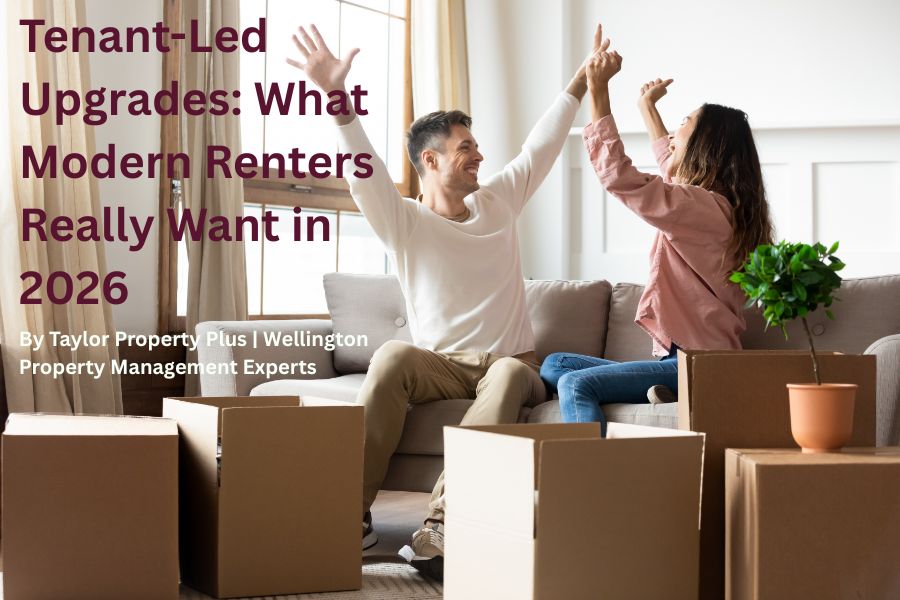
Tenant-led upgrades are modifications or improvements proposed or implemented by renters, including smart tech, workspace, or eco-friendly features, enhancing comfort and efficiency.
The rental market in Wellington, and across New Zealand, is evolving faster than ever. As tenant expectations shift toward more connected, comfortable, and sustainable living environments, property owners are discovering that tenant-led upgrades are no longer optional; they’re a competitive necessity.
In 2026, renters are driving change in the property landscape, asking for smarter, greener, and more flexible spaces that reflect how they live and work today. Let’s explore what modern renters really want, the benefits of responding to these expectations, and how property owners can prioritise upgrades that deliver a solid return on investment.
Table of Contents
Understanding Tenant Expectations in Wellington
As one of the most competitive rental markets in New Zealand, Wellington tenants are increasingly discerning about where they live. According to Handelsbanken’s Property Investor Report 2025, a huge 92% of renters would be willing to pay more for properties with energy-efficient or tech-enabled features. The combination of rising living costs, hybrid work models, and greater environmental awareness has created a new type of tenant, one who wants value, comfort, and conscience in equal measure.
Key tenant expectations in 2026 include:
- Smart technology and energy efficiency
- Comfort-driven design and climate control
- Dedicated home workspaces
- Sustainable materials and features
- Flexibility for minor upgrades or personalisation
Let’s break down these expectations and look at where landlords can invest for the best results.
1. Smart Technology: The Core of Modern Rentals
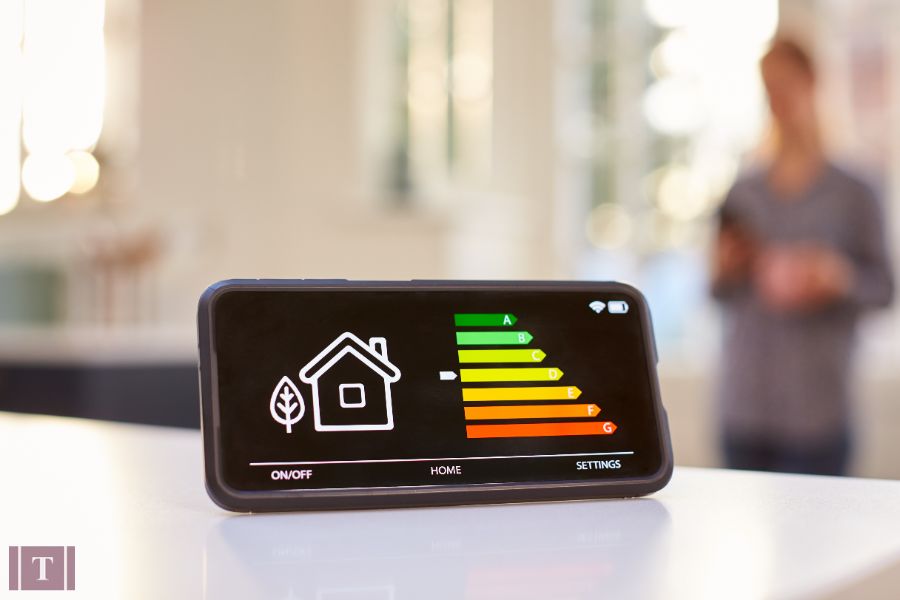
The rise of smart home technology has redefined convenience. Renters now expect the same digital integration in their rentals as they do in other areas of their lives.
Smart devices, such as lighting, thermostats, locks, and appliances, are more accessible than ever. Platforms like Smart Home NZ make it easy to retrofit existing properties with IoT (Internet of Things) solutions (Wikipedia) that appeal to tech-savvy tenants.
Popular Smart Rental Upgrades in 2026:
- Smart locks: Keyless entry systems that improve security and tenant satisfaction.
- Smart thermostats and heat pumps: Automated climate control reduces power bills and carbon footprints.
- Voice-activated assistants and lighting systems: Offer accessibility and comfort for all renters.
- Leak detection sensors: Protect property assets and reduce maintenance costs.
Cost-Benefit Snapshot
Smart home upgrades typically cost between $1,000–$3,000 per property, depending on scale. However, these improvements can:
- Increase rental appeal by up to 5% (according to Rentastic data)
- Reduce vacancy periods
- Allow landlords to command higher rents
- Lower maintenance and energy costs over time
When presented as part of a tenant-led initiative, many renters are willing to share upgrade costs or sign longer leases in exchange for enhanced features, creating a win-win scenario.
Learn more: Adapting to Changing Tenant Needs: Flexible Living Solutions in Wellington
2. Comfort and Wellbeing: A Priority for Every Renter
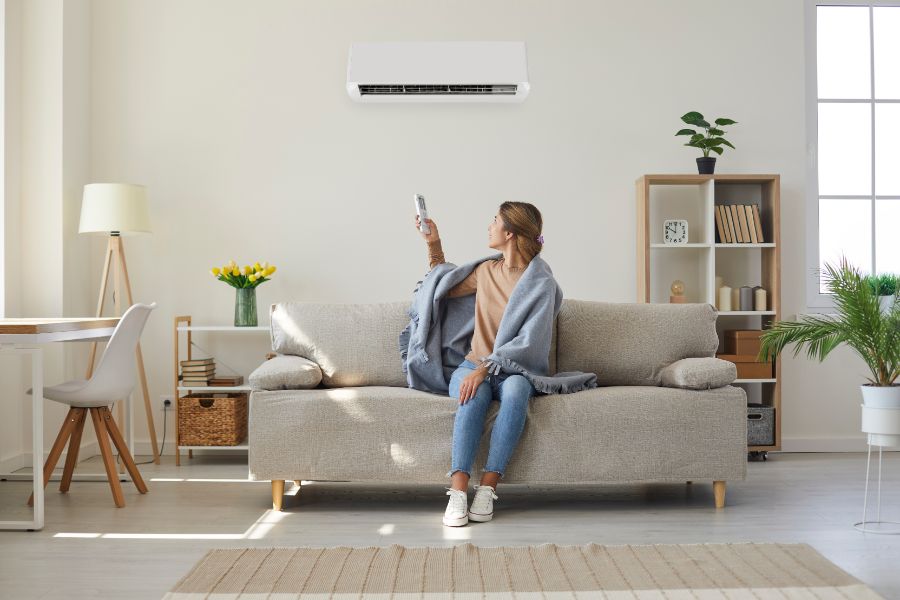
After years of rising housing density, comfort has become a top priority for Wellington renters. Noise insulation, temperature control, and natural light are not just “nice-to-haves”, they are baseline expectations in 2026.
Key Comfort-Focused Upgrades:
- Double-glazed windows and thermal curtains
- Efficient heat pumps or heat recovery ventilation systems
- Smart lighting that mimics daylight cycles
- Soundproofing in multi-unit dwellings
These comfort features contribute directly to tenant wellbeing, satisfaction, and retention. In fact, anecdotal research found that tenants in well-ventilated, temperature-controlled homes report 40% higher satisfaction rates and stay, on average, 18 months longer than those in poorly insulated properties.
Learn more: Healthy Homes, Happy Tenants – Ensuring Wellington Rentals Meet New Standards
3. The Rise of the Home Workspace

The hybrid work revolution has made a dedicated workspace a defining feature of modern rental properties. In Wellington, where government and tech industries dominate, remote work remains common.
Tenants now look for:
- Purpose-built office nooks or multipurpose rooms
- High-speed fibre connections
- Integrated power and USB outlets
- Ergonomic design and lighting
Why It Matters
According to 2024 Stats NZ data, more than 40% of New Zealand businesses offer a work-from-home option, with the same survey showing that about a third of employees worked from home at some point in the final quarter of 2024. Landlords who adapt properties for hybrid lifestyles can attract premium tenants, especially professionals and long-term renters.
A cost-effective option is to repurpose underused spaces (like large wardrobes or corner areas) into functional mini-offices. Adding built-in desks, soundproof panels, or smart lighting enhances appeal without major renovations.
Learn more: Remote Work-Friendly Rentals: Designing Properties for the New Normal
4. Sustainability and Eco-Conscious Living
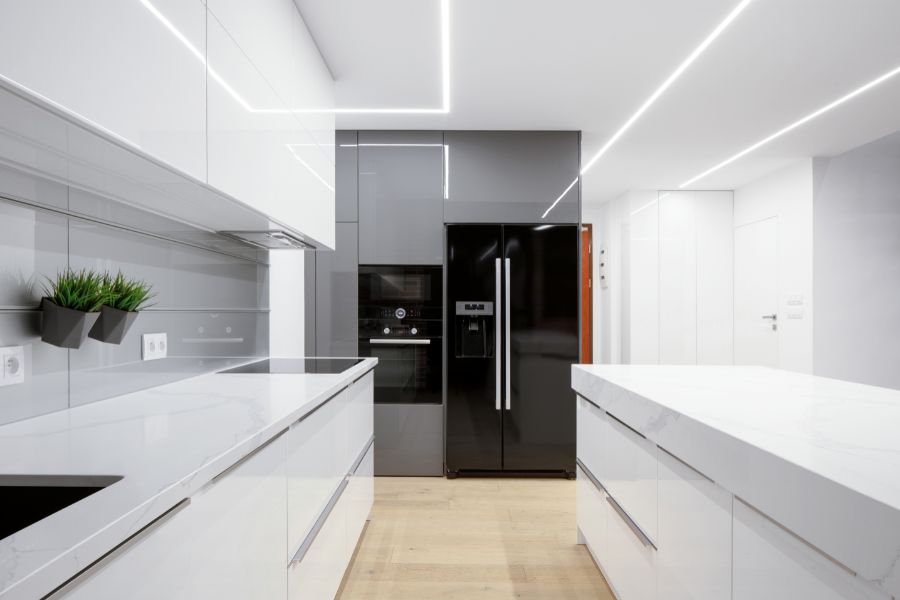
Sustainability isn’t just a trend; it’s an expectation. As renters become more eco-conscious, they seek properties that align with their values. Tenant-led requests for greener living are driving a surge in energy-efficient appliances, solar integration, and low-impact materials.
Popular Sustainable Upgrades:
- Solar-ready electrical systems
- Rainwater collection or greywater recycling
- Eco-certified paints and finishes
- LED lighting and efficient appliances
- Waste sorting and composting facilities
Wellington City Council’s Te Atakura – First to Zero plan aims for a carbon-neutral capital by 2050, making eco-friendly housing a local priority. Renters, particularly younger demographics, are aligning their choices accordingly.
Learn more: Energy Efficiency Revolution: Upgrading Wellington Rentals for a Sustainable Future
Return on Sustainability
While initial costs can seem steep (solar panel installations can start around $6,000), they deliver long-term returns through reduced energy bills, government rebates, and higher tenant retention. Studies by BRANZ and JLL indicate that sustainable rentals can command 3–7.5% higher yields compared to standard properties.
Learn more: The Financial Benefits of Going Green: Tax Incentives and Grants for Wellington Landlords
5. The Role of Tenant-Led Upgrades
What sets 2026 apart is the collaborative model emerging between landlords and tenants. Instead of waiting for owners to initiate improvements, tenants are proposing, co-funding, or even installing minor upgrades themselves, especially in the realm of smart tech and sustainability.
Examples include:
- Tenants offering to pay for part of a solar setup or smart appliance installation
- Renters providing their own office furnishings or lighting, with owner consent
- Shared agreements for water-saving fixtures or energy-efficient whiteware
Taylor Property Plus has seen a noticeable increase in tenant requests for “upgrade partnerships,” where improvements are negotiated as part of lease renewals. These arrangements encourage transparency, reduce turnover, and demonstrate adaptability, key to thriving in a shifting rental landscape.
Cost-Benefit Analysis: Investing in What Matters
| Upgrade Type | Avg. Cost (NZD) | Potential Rent Increase | Tenant Retention Impact |
| Smart Tech Package (Locks, Thermostat, Lighting) | $2,500 | +3–5% | High |
| Workspace Conversion | $1,200 | +5–10% | Moderate |
| Energy Efficiency (Heat Pump, Insulation) | $3,000–$6,000 | +10–20% | Very High |
| Sustainability Upgrades (Solar, Water Systems) | $5,000–$8,000 | +5–10% | Very High |
When evaluated strategically, these upgrades not only boost rental income but also protect long-term asset value. The key is prioritising improvements that align with tenant demand, local market conditions, and Wellington’s sustainability goals.
Looking Ahead: The Future of Smart Rental Living in Wellington
As we move through 2026 and beyond, tenant expectations in Wellington will continue to evolve around flexibility, personalisation, and environmental stewardship. Forward-thinking landlords and property managers who embrace smart rental upgrades, especially those involving collaboration with tenants, will be well-positioned to attract stable, high-quality occupants.
At Taylor Property Plus, we encourage property owners to treat tenant-led upgrades not as expenses, but as strategic investments in their property’s future relevance.
Frequently Asked Questions
1. What is a tenant-led upgrade?
A tenant-led upgrade refers to an improvement or installation initiated, requested, or co-funded by a tenant, typically in collaboration with the property owner. Common examples include smart home devices, energy-efficient appliances, or workspace conversions.
2. Are tenant-led upgrades legal in New Zealand?
Yes, provided they comply with tenancy agreements and building codes. Under the Residential Tenancies Act 1986, landlords must approve permanent or structural changes, but minor upgrades or removable installations can often proceed with written consent.
3. What smart home features are most popular among tenants?
Smart locks, thermostats, lighting systems, and energy monitoring devices rank highest. See Smart Home NZ for examples of products that can be integrated into New Zealand rentals.
4. How can landlords assess whether an upgrade is worth the investment?
Evaluate cost versus expected rent uplift and retention rates. Upgrades that improve energy efficiency or comfort typically offer the best long-term returns.
5. Where can I learn more about the Internet of Things (IoT)?
You can explore the fundamentals and latest applications of IoT on Wikipedia.
About Taylor Property Plus
Taylor Property Plus is Wellington’s trusted property management partner, helping landlords enhance returns through proactive strategies and future-focused property care. To learn how we can help you implement smart, sustainable upgrades that attract modern tenants, get in touch today.